
The Benefits of Investing in Regular Water Heater Maintenance
Water heaters are essential appliances in modern households, providing hot water for showers, cleaning, and cooking. Investing in regular water heater service is crucial to ensure their efficiency and prevent costly repairs. Let's explore how proper maintenance can avert expensive issues, saving you money and prolonging the life of your unit.
Preventing Major Issues
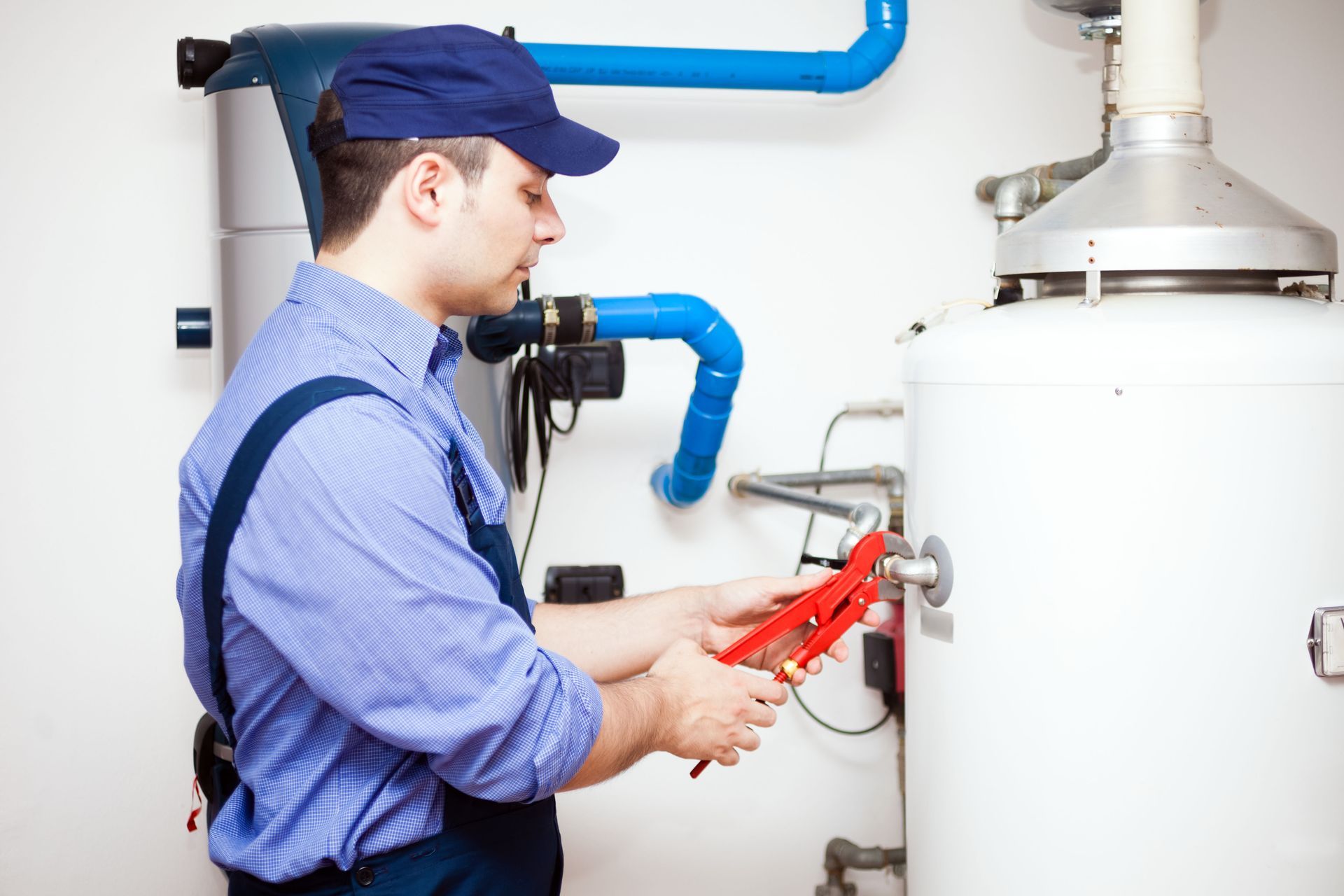
Preventing major malfunctions in a water heater requires regular service. A routine check-up facilitates the early detection of minor issues before they develop into severe problems. By scheduling regular maintenance, homeowners can avoid disruptive breakdowns that could result in expensive emergency repairs. Professionals can spot signs of wear and tear, enabling timely intervention. A proactive approach ensures that the water heater operates reliably and safely, providing consistent hot water access.
When left unchecked, a minor glitch like a faulty thermostat or a misaligned burner can escalate rapidly, putting undue stress on the entire system. This cascading effect often leads to total system failure at the most inconvenient times, such as during a cold winter morning or a busy holiday weekend. Regular inspections from a water heater service act as an insurance policy against these sudden, chaotic disruptions.
Furthermore, professional technicians have the specialized tools and diagnostic expertise to test safety features like the temperature and pressure relief valve. If this critical valve becomes stuck or damaged, it can cause dangerous pressure levels to build up inside the tank. Ensuring these safety mechanisms are fully operational protects not just your appliance, but your home and family as well.
Extending Appliance Lifespan
Another benefit of regular water heater service is the extension of the lifespan of the appliance. According to Home Advisor, your water heater should last up to 15 years when properly maintained by professionals. Through regular service, the parts and components of the heater remain in optimal condition, reducing the risk of premature failure. Professional maintenance can involve replacing worn parts, cleaning components, and ensuring all systems are running efficiently. Longevity in a water heater translates to long-term savings, as the cost of replacement can be significantly higher than routine maintenance expenses.
Without consistent upkeep, a standard tank water heater might only last eight to 10 years before requiring a total replacement, according to our experts. The constant cycle of heating, cooling, and pressurized water naturally degrades the unit, but routine check-ups mitigate this wear and tear. By keeping internal components clean and well-calibrated, you effectively slow down the aging process of the appliance.
Think of professional maintenance as a way to maximize your return on investment. Purchasing and installing a new water heater is a significant financial commitment. By spending a small amount annually on a certified technician, you delay that major capital expense for several years, allowing you to get every bit of value out of your current unit.
Improving Energy Efficiency
Improving energy efficiency is another critical aspect of regular water heater service. Over time, sediment build-up can cause the heater to work harder than necessary, leading to increased energy consumption. Regular flushing of the heater removes sediment and other contaminants, optimizing performance and reducing energy costs. Efficient water heaters contribute to lower utility bills, saving homeowners money in the long run. Maintaining an energy-efficient unit aligns with environmental sustainability goals by minimizing unnecessary power usage.
When a water heater operates efficiently, it requires less time and fuel to reach your desired temperature. For electric heaters, this means the heating elements don't have to stay energized as long; for gas models, it means less fuel is burned. Regular tune-ups ensure that the burners or elements are firing correctly and that standby heat loss is kept to an absolute minimum.
As energy prices continue to fluctuate, keeping your household appliances optimized is one of the most effective ways to manage monthly expenses. In our experience, a well-maintained water heater can lower your water-heating bills by up to 10% to 15%. This monthly savings quickly offsets the cost of the annual service call, making maintenance a financially savvy habit.
Addressing Sediment Buildup
One of the pervasive issues in water heaters is sediment build-up. Flushing the tank regularly helps eliminate sediment that accumulates over time, affecting the heater's efficiency. Sediment can lead to overheating, which can cause the entire system to fail prematurely. Regular service combats this by ensuring that sediment deposits do not expand, thus maintaining efficient heating. This preventive measure aids in saving on repair costs and ensures energy efficiency.
As hard water enters the tank, minerals like calcium and magnesium naturally settle to the bottom. Over the months, this creates a thick, rocky layer that acts as a barrier between the heat source and the water. As a result, the bottom of the tank can overheat, weakening the steel and eventually causing the tank to crack or leak beyond repair.
You can often hear the physical symptoms of sediment buildup: a loud rumbling, popping, or knocking sound coming from the basement or utility closet. This noise is actually steam bubbles trapped under the mineral layer trying to escape. A professional flush clears out this debris, restoring quiet operation and allowing heat to transfer directly and safely into the water.
Preventing Corrosion
The anode rod is another crucial component of the water heater that requires regular inspection. It prevents the tank from corroding by attracting corrosive elements in the water. Over time, the anode rod wears out and needs replacement to continue safeguarding the tank. Professional servicing includes checking and replacing the anode rod, extending the lifespan of the heater. Ignoring this simple maintenance step can lead to the tank's structural failure, calling for a complete replacement.
Often referred to as the "sacrificial anode rod," this component is intentionally designed to rust so your tank doesn't have to. It is typically made of magnesium or aluminum wrapped around a steel wire. Because these metals corrode faster than the steel of your water tank, the corrosive elements in your water attack the rod first, keeping the inner lining of your tank intact.
Once the anode rod has completely degraded, which we find usually happens every three to five years depending on your water quality, the corrosive forces turn their attention to the tank walls. Rust will quickly form, leading to discolored, metallic-tasting water and, ultimately, a catastrophic tank rupture. Regularly replacing this inexpensive rod is the single best way to prevent your tank from rusting out.
Stopping Leaks
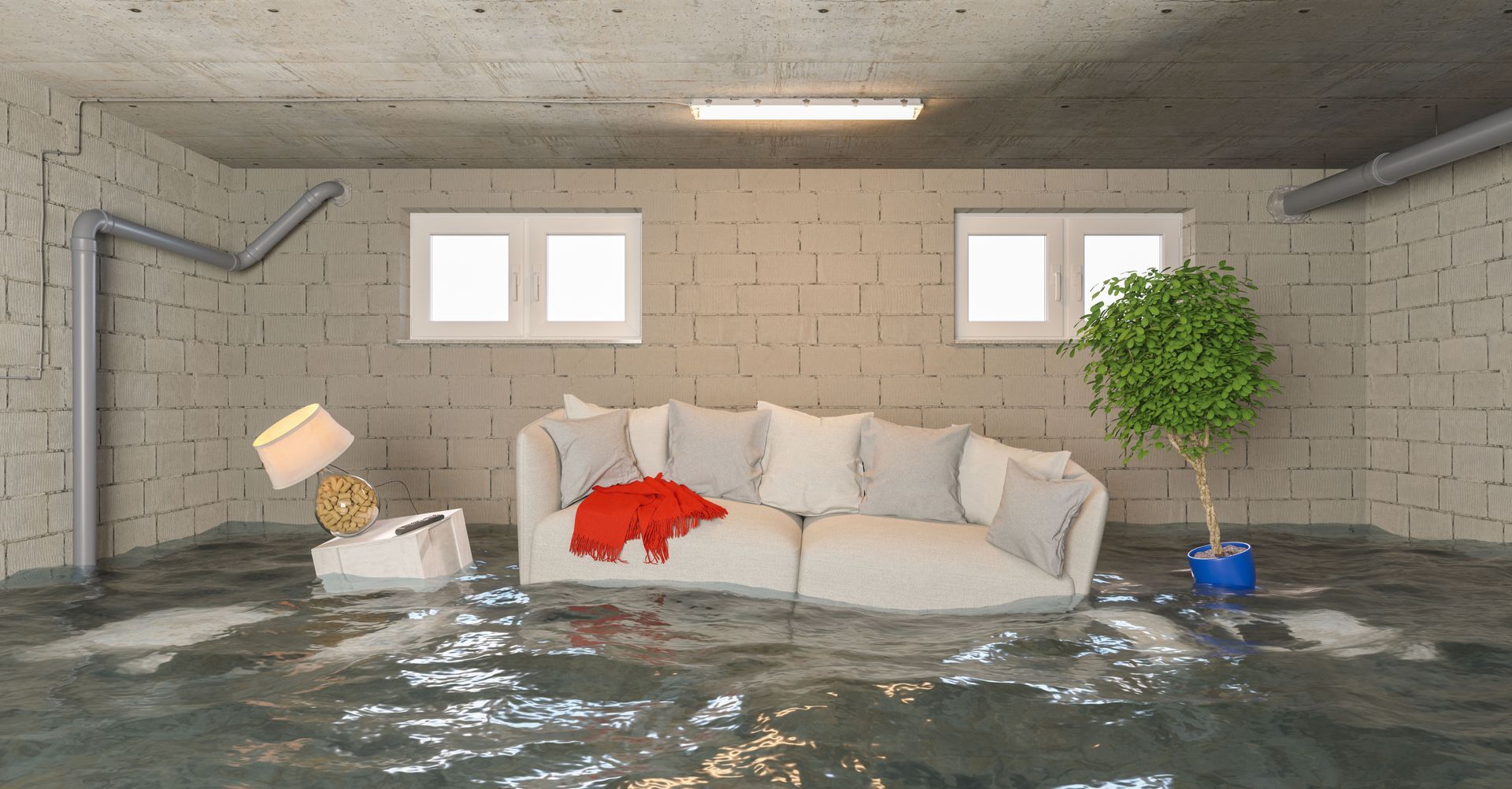
Piping issues and leaking tanks are major concerns that regular maintenance helps avert. Leaks can develop from corroded pipes or compromised tank integrity, leading to water wastage and potential damage to surrounding areas. Regular inspections can identify weak points early, allowing for repairs before leaks become significant. This proactive approach minimizes the risk of severe water damage and extends the life of the heater. Maintenance not only addresses current issues but also helps predict and prevent future problems.
Even a tiny, slow drip from a loose connection or a faulty valve can cause massive headaches over time. Unchecked moisture creates the perfect breeding ground for mold and mildew, which can compromise your home's air quality and damage drywall, flooring, and nearby framing. Catching these small leaks during a routine service visit saves you from expensive structural remediation costs later on.
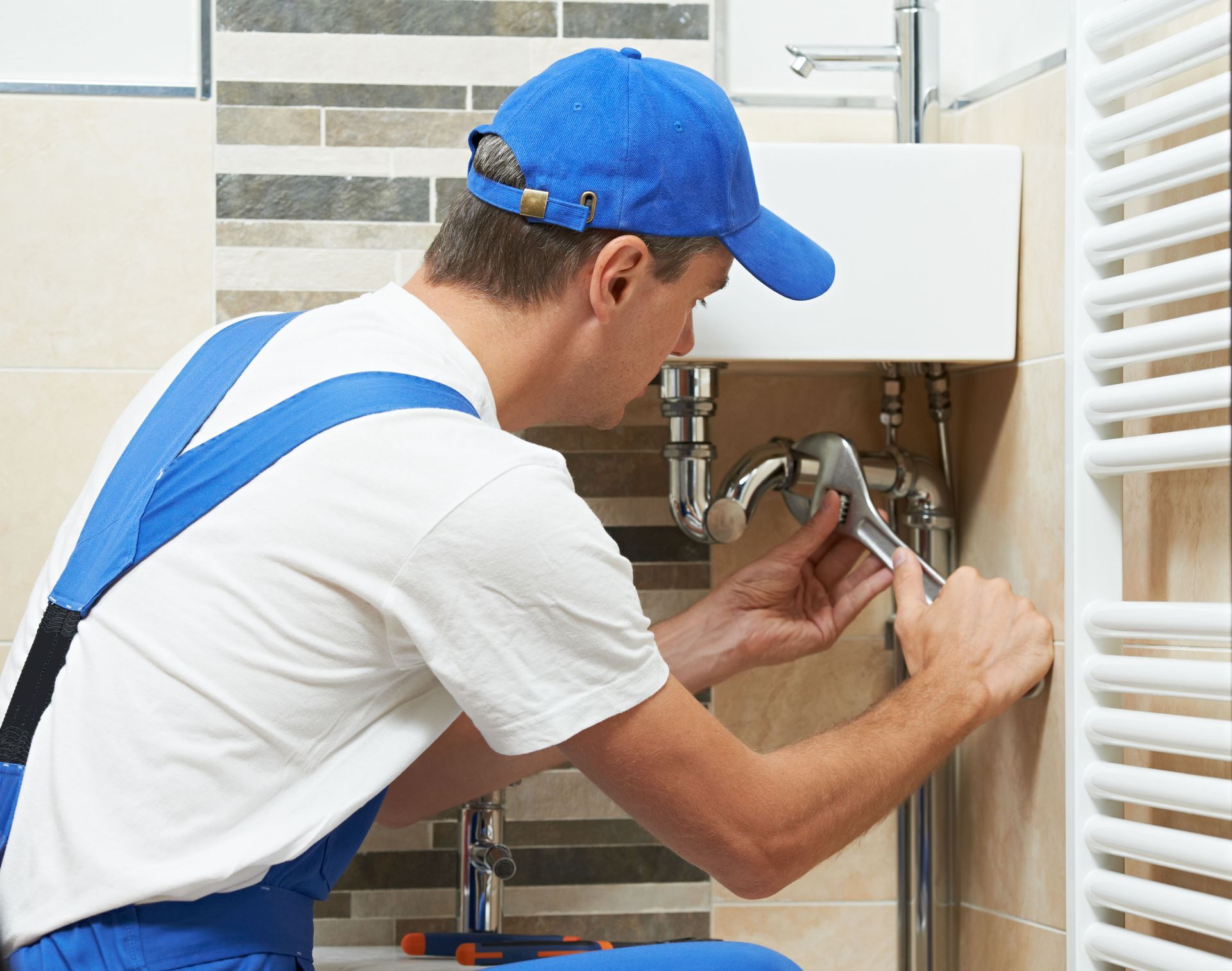
During a maintenance check, a technician will inspect all external plumbing connections, the temperature and pressure relief valve, and the drain valve for any signs of moisture or weeping. They can tighten loose fittings, replace worn seals, or swap out failing valves on the spot. This thorough inspection ensures that water stays exactly where it belongs: inside the plumbing system.
Regular service and maintenance of water heaters are essential in preventing costly repairs and extending the longevity of the appliance. By understanding common issues, recognizing the signs of needed service, and choosing the right water heater service like J. Cox Plumbing, you can ensure efficient and reliable operation. Reach out to us today to get started!





Share On: