3 Key Ways a Residential Plumber Can Help Lower Your Water Bill
Maintaining a household's plumbing system isn't just about preventing leaks or fixing broken pipes; it's also a smart way to control monthly water expenses. Many homeowners underestimate how much water inefficiencies can cost, but even small issues can translate into significant bills over time. By leveraging the expertise of a residential plumber, households can identify hidden problems, implement efficient solutions, and enjoy lower utility costs. Here are three essential ways a professional plumbing service can help reduce your water bill.
1. Detecting and Repairing Leaks Early
Understanding How Small Leaks Impact Costs
A leaking faucet, a dripping shower head, or a hidden pipe leak may seem minor, but these issues can dramatically increase a home's water consumption. According to iPropertyManagement, even small leaks can push the average household water bill up by 10%. Over time, the cumulative effect of multiple leaks can become substantial, quietly driving up utility costs and straining household budgets. Addressing these leaks promptly ensures that homeowners don't continue paying for wasted water over months or years and helps protect the home from potential long-term damage.
Locating Hidden Plumbing Problems
Residential plumbers use advanced detection methods, such as moisture sensors, infrared cameras, and pressure testing, to uncover leaks that aren't visible to the naked eye. These hidden leaks can occur behind walls, under floors, or within underground pipes. Often, they go unnoticed until higher water bills or structural issues arise. Early detection of these concealed problems not only prevents costly repairs but also minimizes the risk of mold growth, water damage, and deterioration of building materials.
Timely Repairs Prevent Costly Damage
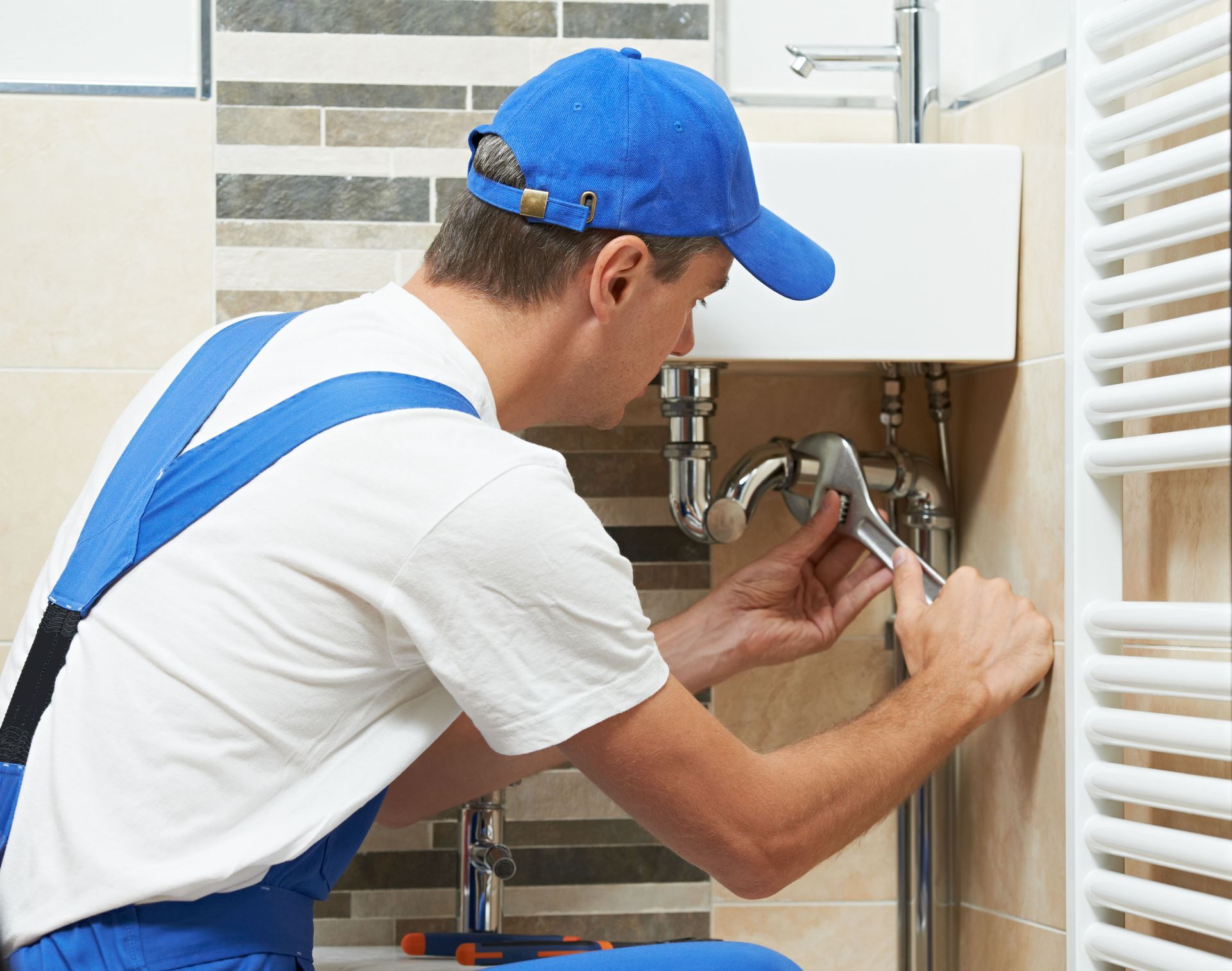
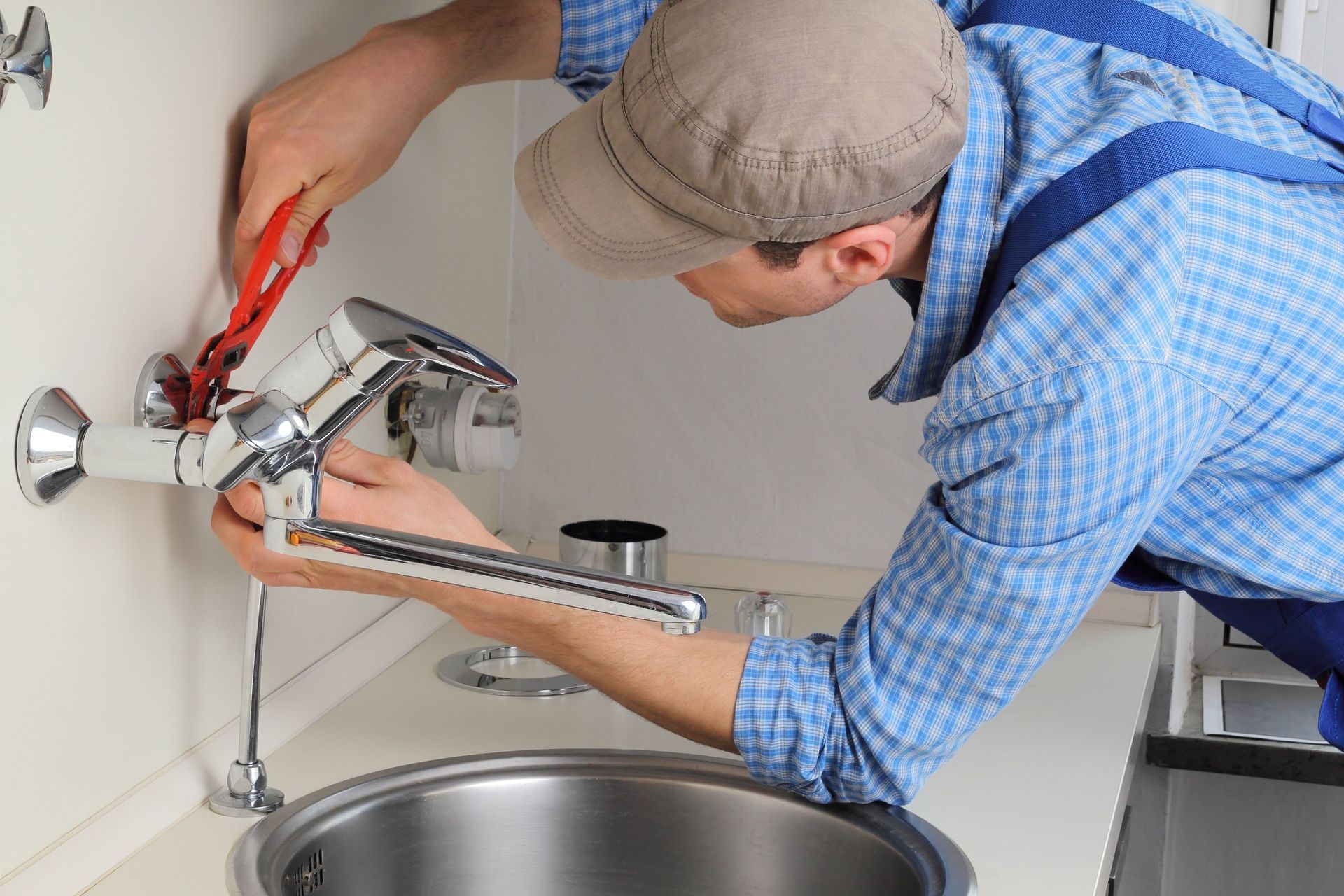
Once leaks are detected, a residential plumber can perform targeted repairs, such as replacing worn washers, sealing joints, or repairing sections of damaged piping. Quick intervention prevents small issues from becoming larger problems that are more expensive to fix and continue to waste water. Acting promptly also reduces the chance of emergencies that may require extensive service, like replacing entire pipe sections or repairing water-damaged walls and flooring.
Maintenance Plans for Long-Term Savings
Many plumbing companies offer routine inspection services that identify potential leaks before they escalate. These preventive maintenance programs allow homeowners to enjoy consistent water efficiency and peace of mind, knowing their plumbing system is operating optimally year-round. Regular maintenance not only saves money but can extend the lifespan of plumbing fixtures and systems, providing lasting value and minimizing unexpected disruptions.
Educating Homeowners on Water Usage
A skilled plumber also provides guidance on identifying water-hungry fixtures and behaviors. Simple adjustments, such as fixing a running toilet, adjusting sprinkler systems, or replacing outdated aerators, can supplement professional repairs and amplify water savings. Homeowners who understand their water usage patterns are better equipped to prevent leaks and maintain efficiency, creating a more sustainable and cost-effective household over time.
2. Installing Water-Efficient Fixtures
Choosing Low-Flow Options
One of the most effective ways to reduce water consumption is through water-efficient fixtures. Residential plumbers can recommend low-flow toilets, faucets, and shower heads that maintain performance while using less water, resulting in substantial cost reductions over time. Selecting the right fixture for each application can further optimize efficiency without compromising comfort or convenience. Small upgrades in multiple areas of the home can add up to significant savings on water bills over the course of a year.
Upgrading Appliances for Efficiency
Beyond fixtures, plumbing experts can help homeowners upgrade appliances like dishwashers and washing machines to models that consume less water. Modern energy- and water-efficient appliances are designed to minimize usage without sacrificing cleaning performance. When paired with thoughtful use, like running full loads or selecting eco-friendly cycles, these upgrades can drastically reduce overall water consumption and support a greener household.
Advanced Shower and Faucet Improvements
Plumbers can also help install water-saving devices such as flow-restricting shower heads and faucets, which allow homeowners to monitor and control their water usage more precisely. These improvements not only help reduce waste but can also provide real-time feedback on consumption patterns, encouraging more conscious usage and long-term savings on water bills.
Professional Installation Matters
A residential plumber ensures that fixtures are correctly fitted and leak-free. Proper installation not only prevents immediate problems but also maximizes the efficiency and lifespan of water-saving devices. It also reduces the risk of water damage caused by improper sealing or connections, protecting both the home and the homeowner's investment in water-efficient upgrades.
Incentives and Rebates for Water-Saving Upgrades
Many municipalities and utility providers offer rebates or incentives for installing water-efficient fixtures. A professional plumber can advise homeowners on eligible programs, ensuring they receive maximum financial benefit while lowering water consumption. Combining rebates with professional guidance and high-efficiency products often makes these upgrades more affordable and accelerates the return on investment.
3. Optimizing Plumbing Systems for Efficiency
Evaluating Household Water Flow
A residential plumber can perform a thorough assessment of your home's plumbing system, identifying areas where water flow may be restricted or inefficient. Properly balanced water pressure ensures that appliances and fixtures operate effectively without unnecessary waste. During this evaluation, plumbers can also detect subtle issues such as partial blockages or pressure fluctuations that, over time, can strain fixtures, reduce performance, and lead to higher water bills if left unaddressed.
Pipe Replacement and Maintenance
Older homes often have corroded or undersized piping that reduces efficiency and can cause leaks. By replacing or repairing problematic sections, plumbers help maintain consistent water pressure, reduce leaks, and minimize excess water use. Upgrading to modern piping materials not only improves flow but also enhances durability, lowering the likelihood of emergency repairs and long-term maintenance costs.
Sump Pump and Water Line Services
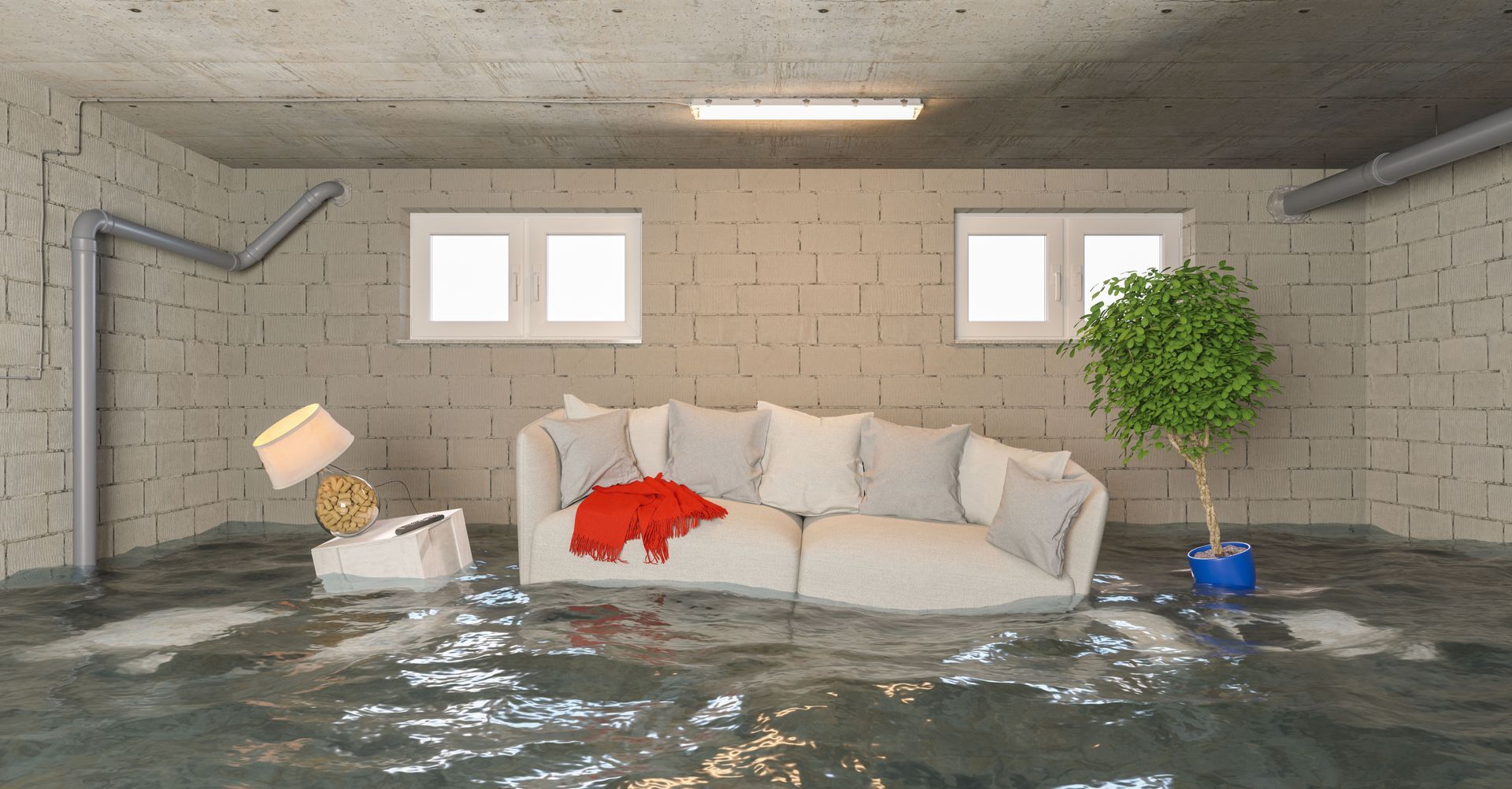
Specialized plumbing services, such as sump pump installation or water line repairs, also contribute to water efficiency. Ensuring these systems function correctly prevents backflow, flooding, or hidden leaks, all of which can inflate a household water bill. Properly functioning sump pumps and water lines also safeguard basements and landscapes from water damage, providing added protection beyond just utility savings.
Hard Water Solutions
Hard water can create mineral buildup in pipes and fixtures, reducing efficiency and increasing water usage. Plumbers can install softening systems or recommend treatments that protect plumbing infrastructure while maintaining optimal water flow. Addressing hard water issues also prolongs the lifespan of appliances, reduces the need for frequent repairs, and ensures that low-flow fixtures perform as intended.
Routine System Checks
Finally, scheduling periodic system evaluations with a residential plumber ensures that all components, from fixtures to pipes, remain in peak condition. Regular inspections catch inefficiencies early, contributing to consistent water savings and long-term household protection. Over time, these routine checks create a preventative maintenance habit that helps homeowners avoid costly surprises while maximizing the performance of their entire plumbing system.
By detecting leaks early, installing water-efficient fixtures, and optimizing plumbing systems, a residential plumber can help homeowners reduce water waste, prevent costly damage, and lower utility costs. Even minor interventions, such as repairing a small leak or replacing an outdated faucet, can yield noticeable savings over time. Investing in professional plumbing expertise ensures that your household remains efficient, sustainable, and cost-effective.
Partnering with a qualified residential plumber provides both immediate results and long-term benefits, making it a smart choice for any homeowner who wants to save money while maintaining a reliable and high-performing plumbing system. If you're looking for a reliable residential plumber, contact J. Cox Plumbing today!





Share On: