How to Find the Best Emergency Plumber When Time Is Ticking
Emergency plumbing situations can arise at the most inconvenient times, causing stress and severe structural damage to your property. Such scenarios demand a swift response, yet the urgency can complicate the process of selecting a qualified contractor. A broken pipe, a malfunctioning water heater, or a blocked sewer main will not wait for a convenient moment, which means property owners need to act quickly to prevent catastrophic water exposure. Having a clear plan in place makes the difference between a minor cleanup and an extraordinarily expensive restoration project. By understanding how to navigate urgent service calls, you can remain completely prepared to locate and retain top-rated plumbers when time is of the essence.
Unexpected mechanical failures require immediate interventions to safeguard your real estate investment. Navigating these sudden disruptions involves assessing the overall scope of the issue, recognizing environmental risks, and verifying that prospective technicians hold standard liability coverage. According to BDR, 54% of homeowners now research and hire a plumber in under four hours. This rapid decision-making cycle highlights why having reliable criteria prepared in advance is essential. When disaster strikes, evaluating local plumbing providers based on performance, speed, and overall professional legitimacy ensures that your home receives high-quality, lasting repairs without unnecessary delays.
Recognizing Urgent Mechanical Failures
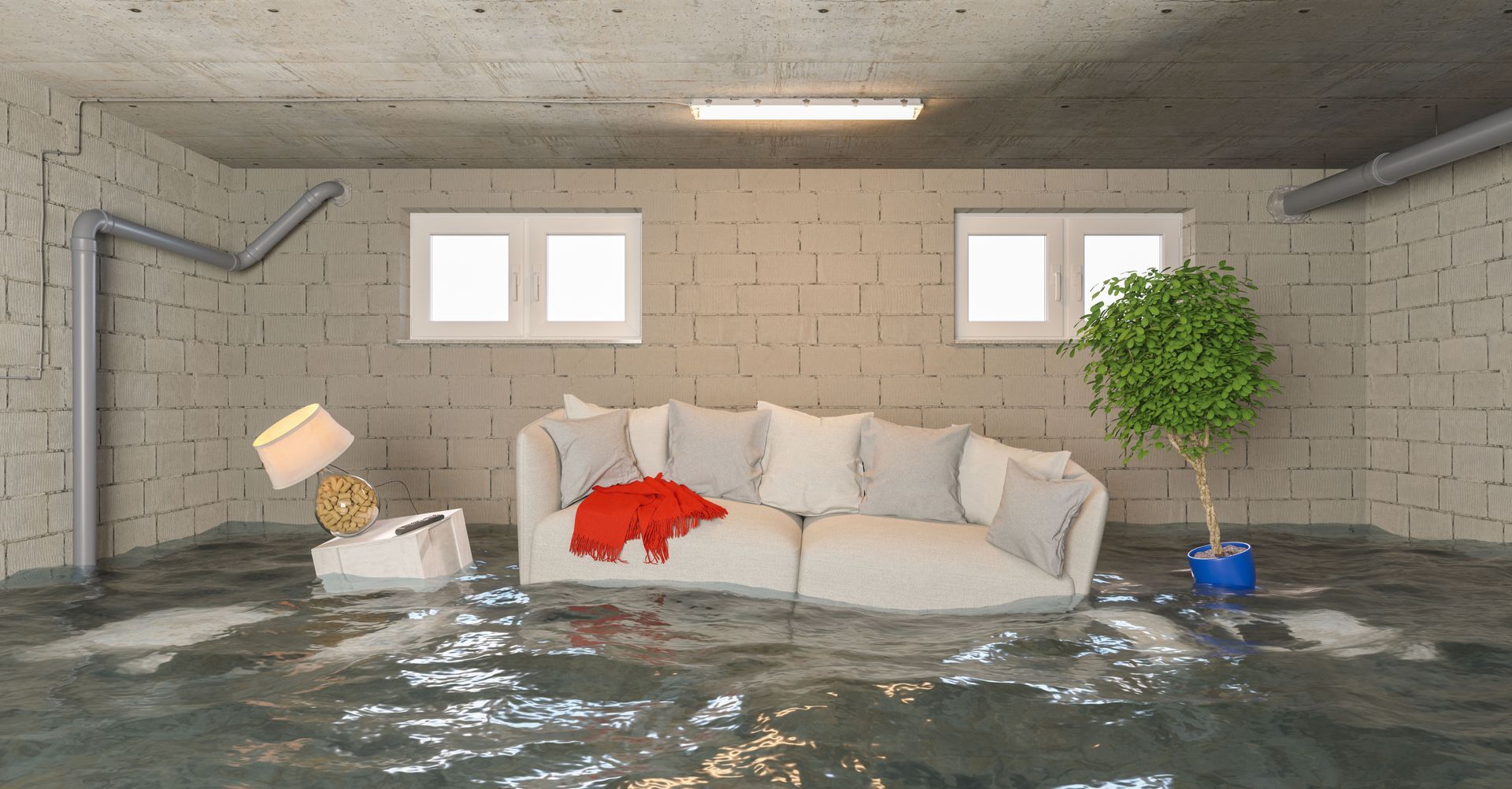
Emergency plumbing scenarios encompass burst water mains, severe main line backups, and failing water heating systems. These destructive events disrupt daily routines and escalate into severe environmental hazards if not remediated immediately. Burst supply lines can release hundreds of gallons of water per hour, causing rapid structural degradation, warped flooring, and extensive mold growth. Sewage backups introduce toxic biohazards into living spaces, creating unsafe biological conditions that demand specialized cleanup protocols. Recognizing these acute conditions allows property owners to take immediate containment steps while contacting local plumbers for rapid assistance.
Differentiating between true mechanical emergencies and routine upkeep prevents unnecessary dispatch surcharges while prioritizing critical safety threats. A slow basin drain or a minor dripping faucet is an inconvenience that can wait for standard business operating hours. Conversely, an overflowing toilet, an actively leaking gas supply line, or a ruptured main distribution pipe represents an immediate danger to life and property. Recognizing when a situation warrants urgent intervention helps maintain property safety and prevents minor structural defects from expanding into structural failure. Evaluating the severity of the malfunction guides rational choices during high-stress situations.
Delaying necessary plumbing remediation carries severe financial and physical consequences over time. Unaddressed moisture intrusion rapidly degrades drywall, rots floor joists, and weakens load-bearing framing elements. Mold spores germinate within damp building materials in as little as twenty-four to forty-eight hours, exposing occupants to serious respiratory hazards. Additionally, untreated waste lines risk contamination of surrounding soils and secondary indoor spaces. Promptly hiring experienced plumbers stops continuous property damage, controls microbial spread, and limits overall insurance liabilities associated with sudden mechanical failures.
Gathering Local Service Information
Finding a dependable service technician under tight time constraints requires leveraging immediate local resources. Personal connections, such as trusted neighbors, family members, or neighborhood association boards, frequently offer reliable referrals based on recent firsthand experiences. Local hardware suppliers and trade counters can also recommend vetted service professionals who regularly purchase commercial-grade materials in the area. Utilizing established community channels bypasses tedious trial-and-error searching, connecting you with reliable contractors who have proven track records within your municipal area.
Digital research platforms provide rapid access to verified customer metrics, operational histories, and official credentials. Third-party directories, search engines, and trade review sites aggregate recent consumer feedback, allowing you to gauge a service company's consistency, punctuality, and pricing transparency. Many modern plumbing contractors maintain comprehensive online portals detailing their emergency service hours, specific technical capabilities, and active state licensing numbers. Systematic evaluation of online ratings and verified consumer testimonials helps narrow down candidate lists to those providers who consistently maintain high operational standards.
Evaluating Professional Credentials
Validating professional licensing and industry certifications is vital when hiring an emergency contractor. Licensed trade technicians have satisfied rigorous state educational requirements, passed comprehensive competency exams, and demonstrated thorough knowledge of regional building codes. Utilizing state licensing database search tools permits property owners to confirm active credentials and verify that no outstanding disciplinary actions exist. Confirming these qualification standards ensures that your home repair work meets structural safety requirements and complies with all regional building codes.
A contractor's overall experience level directly influences their ability to diagnose complex mechanical failures under high-pressure conditions. Seasoned trade professionals have encountered diverse piping configurations, legacy drainage systems, and complex physical layouts over their years in the field. This broad experience allows them to quickly identify root causes and implement effective, durable solutions without wasting time on trial-and-error troubleshooting. Evaluating years in business and specialized field experience ensures that your technician can manage sudden structural or mechanical complications seamlessly.
Comparing Costs and Value
Obtaining itemized estimates from multiple candidate companies ensures fair pricing during emergency repairs. While severe leaks require quick decisions, taking a few extra minutes to contact two or three providers yields valuable market context regarding standard labor rates, dispatch fees, and after-hours premiums. Asking for itemized breakdowns of call-out charges and hourly rates prevents surprise expenses on the final bill. This comparative evaluation helps you secure competitive pricing without sacrificing the technical quality required for durable repairs.
Understanding standard industry pricing structures helps property owners navigate fee negotiations and contract approvals smoothly. Emergency calls frequently involve specialized fee structures, including flat-rate diagnostic charges, premium after-hours hourly rates, or tiered emergency response pricing. Flat-rate structures define fixed costs for specific tasks regardless of time spent, whereas hourly rates depend on job duration and material costs. Understanding these billing methods ensures clear financial expectations before work begins on your home.
Balancing initial service expenses against long-term repair quality prevents recurring mechanical issues. Selecting the lowest bidder can prove costly if cheap materials, substandard workmanship, or improper diagnostic techniques lead to secondary leaks. Investing in skilled plumbers who utilize high-grade components and offer written labor guarantees protects your property investment long into the future. A thorough cost-versus-value assessment prioritizes overall repair integrity, minimizing long-term expenses and ensuring that system components operate safely for years to come.
Organizing Your Selection Process
Creating a structured evaluation checklist streamlines decision-making during high-stress plumbing failures. Key selection criteria should prioritize active licensing, adequate insurance coverage, rapid arrival capabilities, upfront pricing, and positive client feedback. Systematically checking candidates against these core metrics prevents critical oversight when managing an active water emergency. An organized checklist allows you to make calm, objective choices that align with both your immediate structural needs and long-term repair budgets.
Aligning selection criteria with the physical urgency of the issue optimizes response times and resource management. Active structural flooding, gas leaks, or backed-up main sewer lines require prioritizing arrival speed and emergency availability above all else. Less severe issues allow for broader price comparisons, deeper credential checks, and flexible scheduling. Prioritizing candidate criteria based on immediate threat levels ensures fast containment of dangerous plumbing failures while maintaining high standards for service quality.
Locating a reliable service provider during an urgent pipe failure requires quick thinking, clear standards, and methodical decision-making. Mechanical emergencies produce significant stress, but having an established protocol allows you to navigate chaotic situations calmly and effectively. By recognizing acute mechanical threats, verifying professional trade credentials, comparing pricing structures, and maintaining clear communication, you safeguard your real estate investment from unnecessary damage and high costs. Preparing for unexpected home system failures before they occur remains the best way to secure fast, reliable repairs when every minute counts. For more information about the services that we offer, reach out to our incredible team at J. Cox Plumbing today!




Share On: